Table Of Content

Colors that appear dull or muted are understood as colors with low intensities. Color saturation, otherwise understood as intensity, is often described as the brightness or brilliance of a hue and its level of intensity. The word “pure” is also used to describe when color is at its highest intensity because then, it is at its purest form and highly saturated. I’m on a mission to revolutionize education with the power of life-changing art connections.
Gestalt Principles of Perception
They are defined to ensure that whatever you do meets the standards of what brand communication should be. When your customer has finally consumed your content, they must be left with a feeling of surety and confidence in your brand. All elements must appear as if they are from the same brand.
The importance of the elements of art
Visual importance stems from element size, colour, contrast, and position. Unity ties together otherwise separate design elements into wholesome compositions. Repetition of colour, shape, and texture provides consistency. Value refers to the lightness or darkness of shapes, colours, and textures. Dark values stand out against light ones, attracting viewer attention.

The 12 principles of design to consider in creating great designs
Finally, quizzes at the end of each section may provide decent quantitative assessments, there is little here to help me provide qualitative assessments. Again, I understand that is my job to provide those opportunities, but I've found good text does as well. This is one of the major issues I see with the book and I mentioned that in the points above. Other reviewers have also mentioned the lack of focus on cultural inclusion/diversity. If this book is to be used as a sole text for any course, it would have to be much more inclusive. I think the book is very clear and consistent and believe that it communicates well to a beginning audience.
Eclectic Interior Design: Understanding the Key Elements - Family Handyman
Eclectic Interior Design: Understanding the Key Elements.
Posted: Mon, 29 Jan 2024 08:00:00 GMT [source]
You can skip one or two (and even more) design principles and elements if you’re confident that the purpose of your design will be fulfilled the best way possible, and your message will reach your target audience. Now that you know the basic principles of design, it’s time to put them into practice. Like every story, a design should have a beginning and an end. The way a viewer’s eye travels over the design, the way they “read” it, is told by movement. Jeffery A. LeMieux is Professor Emeritus of Art at the College of Coastal Georgia.
Space
“Icon”, in art, may have multiple meanings according to the culture that produced the artifact and its use by those members of that group. As an example, the image of “Isis” is an icon found throughout Egyptian culture with various “religious” as well as “power” and other cultural meanings. This criticism can be directed to all KEY TERMS lists in the text to some extent. This text does cover the material its title implies at an introductory level. In the chapter on describing art some major stylistic movements were omitted.
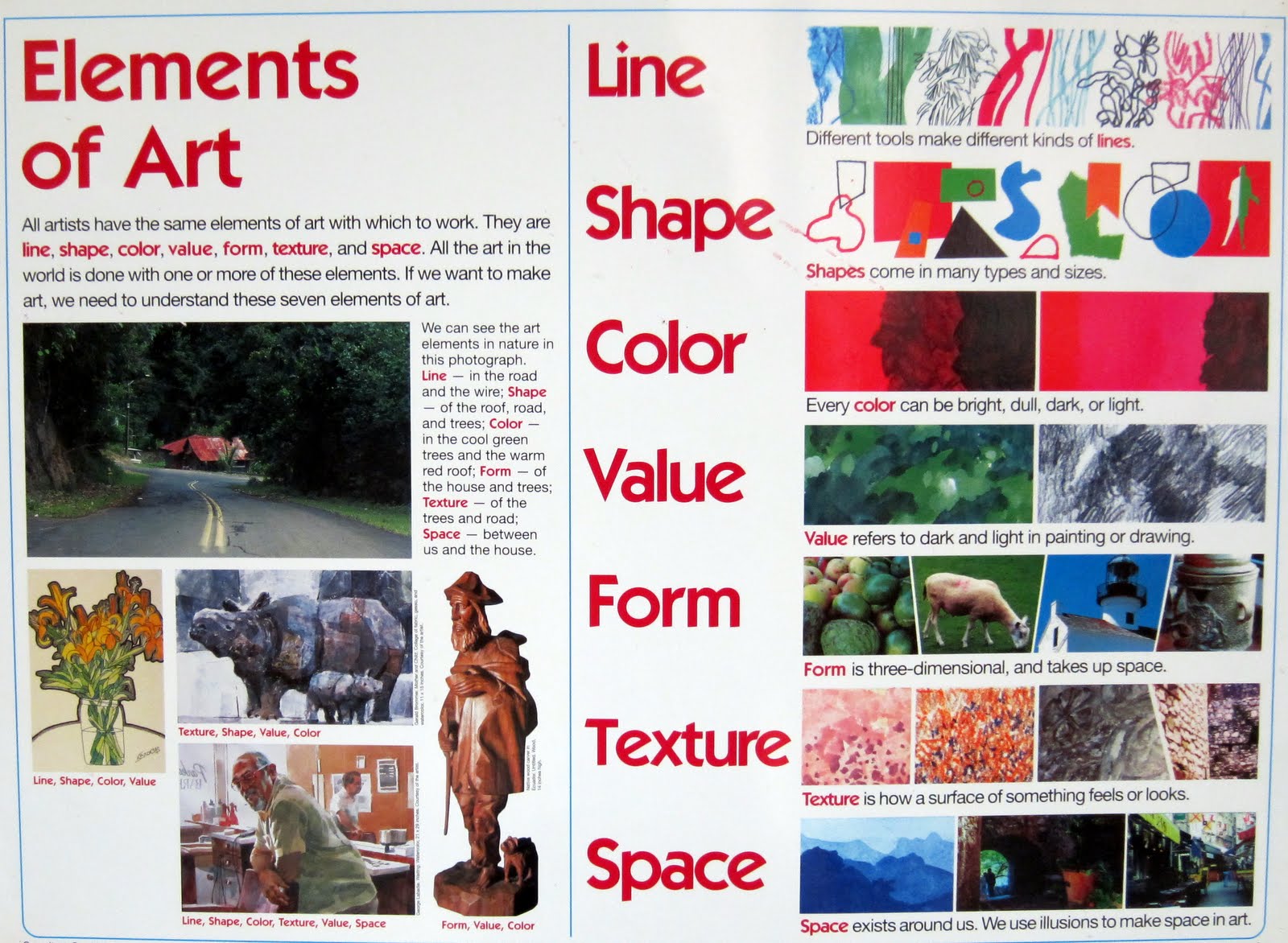
How do the principles of design work with the elements of art?
The text does not have many examples of non-western artist and is not overly inclusive of a variety of races, ethnicities, backgrounds, gender. Over time, the numerous links to other web material may need updating. A few links reveal images and are too small and low-resolution.The handful of formatting mistakes and typos are somewhat distracting, as is the single column layout. Text is written clearly using accessible language for students.
However, in being able to comprehend and apply information in some of the latter chapters, one would have needed to cover material, specifically, in Chapter 1 and 3-5. The format is easy to navigate, and my only suggestion is to create hyperlinked headings for chapters in the Table of Contents, so that you could jump to the chapters a little sooner. I appreciated the general flow of the work beginning from simple definitions “what is art? ” to contemplating identity, power, ethics, and controversies in artmaking, though some sections seemed redundant. Good summaries and questions to accompany the readings, especially later in the text. I would especially use the final chapters for my classes (such as Art and Power, Art and Ethics).
Why are the Elements and Principles of Art Important?
So this text is not aimed at teaching students about the why of art but about the construction of art. This makes it an art appreciation text, not an art history text. The text covers a broad survey of art including many art forms. Photography, digital media and relational aesthetics examples are lacking throughout the text. Chapters include examples of Western and non-Western art and architecture. More context could be fleshed out for how works of art were relevant in their own time.
However, most of the printed images have no dates, mediums, and dimensions. The interface is clean but has some leading issues in the text, where letters are slightly stretched, slightly squished, or cut off below the baseline. The multi-decimal section numbering system is visually noisy and, in my opinion, no more useful than section titles and page numbers in helping students find reading assignments or refer to passages. In general, page layouts are tight, with minimal margins between images and text. This seems like a decision driven by printing concerns (minimizing page count), but additional white space would improve readability.
Color reaches our eyes in the form of reflected light, which “bounces” off the objects around us. Some of the art elements that create movement can be the placement of different lines. To summarize, every piece of work uses point, line, shape, form, and color elements.
The graphic ends with advice for safe consumption of different kinds of seafood based on the mercury levels they contain. They are opposite colors and are located directly across from each other on the color wheel. Colour theory helps the artist to mix desired colours from primary colours. It’s only a theory and can’t be proven but it is nevertheless useful to the artist.
It creates a visual tempo that is consistent and systematic. Picasso's work used a lot of rhythm, and other artists with a distinct brand or feel are quite rhythmic. Leading lines use directed angles, perspective cues, and contours that stretch across significant portions of the composition to steer sight sequences meaningfully. Gradations prompt the eye from sharper ends towards softer vanishing points, helped by diminishing details and converging lines. The overlapping triangle composition cycle gazes across prominent contours. Curving lines and s-shapes curve attention gracefully around key areas with rhythmic flows rather than harsh jumps.
It is something students today will need to develop for computer generated art in their lifetime. In the area of visual elements and principles of design, I do wish they went more into depth. This book is a perfect companion to any college-level art appreciation course - and for today's student. The balance of form and meaning, the inclusion of learning objectives for each chapter, the "tests," and hyperlinks to supplemental material makes it unique and a text I would consider using in my course. This is tricky to evaluate because this book is extremely relevant to beginning students. I could see this book being used in an art appreciation class or a class for non-majors not looking to go very deep.
The text is organized thematically and in terms of large ideas, thus guaranteeing a degree of longevity and future relevance. With so many web links in the text, it will be important to check regularly to make sure they are active. While this text is not based only on contemporary art, it uses many examples of current art throughout. For this reason, longevity is always a concern in art appreciation and introductory art texts. Since by definition contemporary art is a moving target, and at times local or regional in its relevance, instructors may want to supplement the text with their own references to contemporary art.




No comments:
Post a Comment